01
Leather selection
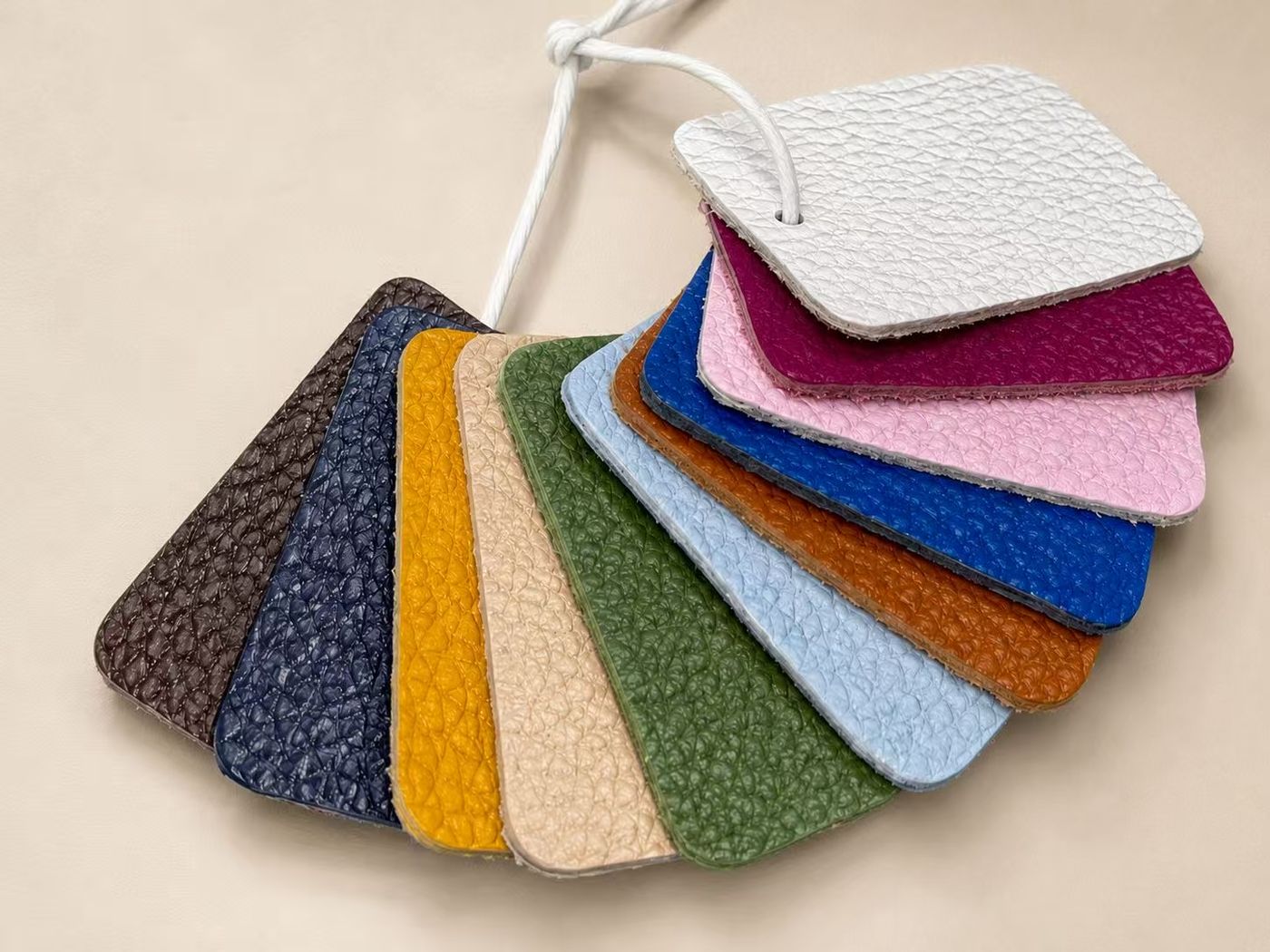
Leather is selected for the structure, touch and intended use of the bag. Grain, temper, thickness and colour are assessed together rather than as isolated swatches.
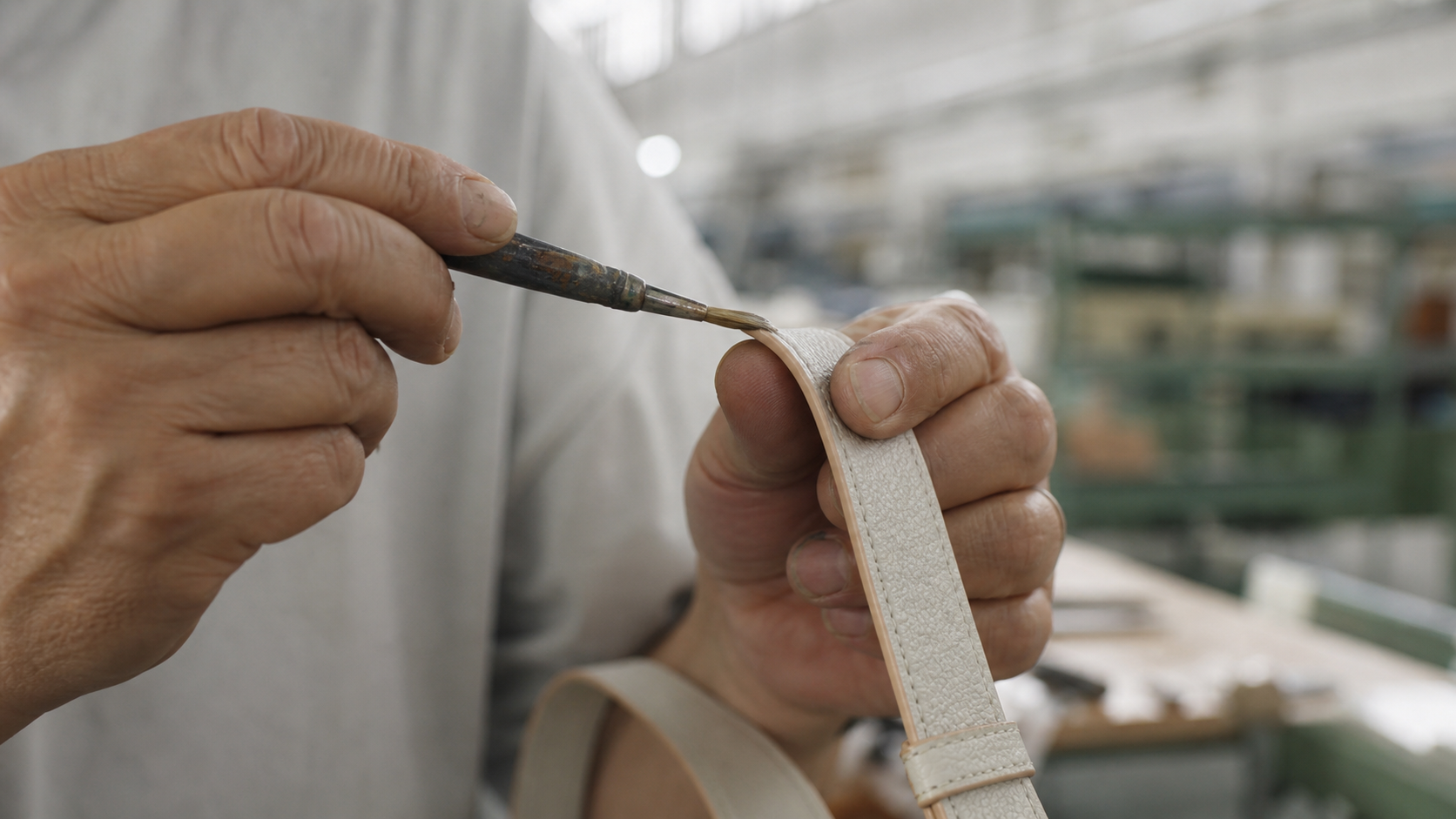
Good craft is visible in alignment, stitch density, painted edges and the way a bag holds its shape. These are controlled actions, not decorative claims.
Craftsmanship is not one decorative gesture. It is a connected sequence of material, construction and finishing decisions measured against the approved sample.
Leather is selected for the structure, touch and intended use of the bag. Grain, temper, thickness and colour are assessed together rather than as isolated swatches.
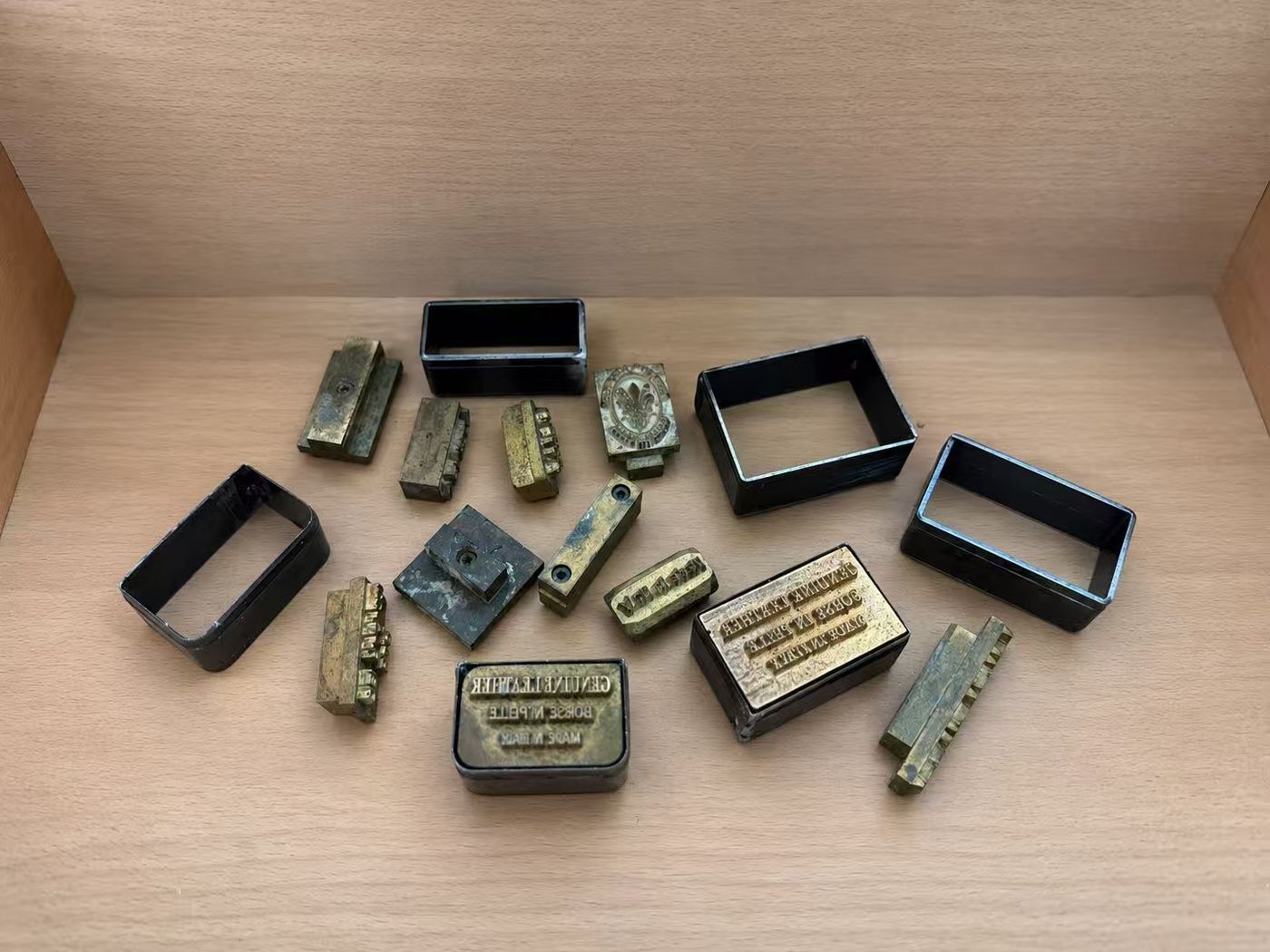
Closures, zips, rings and fittings are specified as part of the construction. Finish, scale, weight and movement must work with the bag, not compete with it.
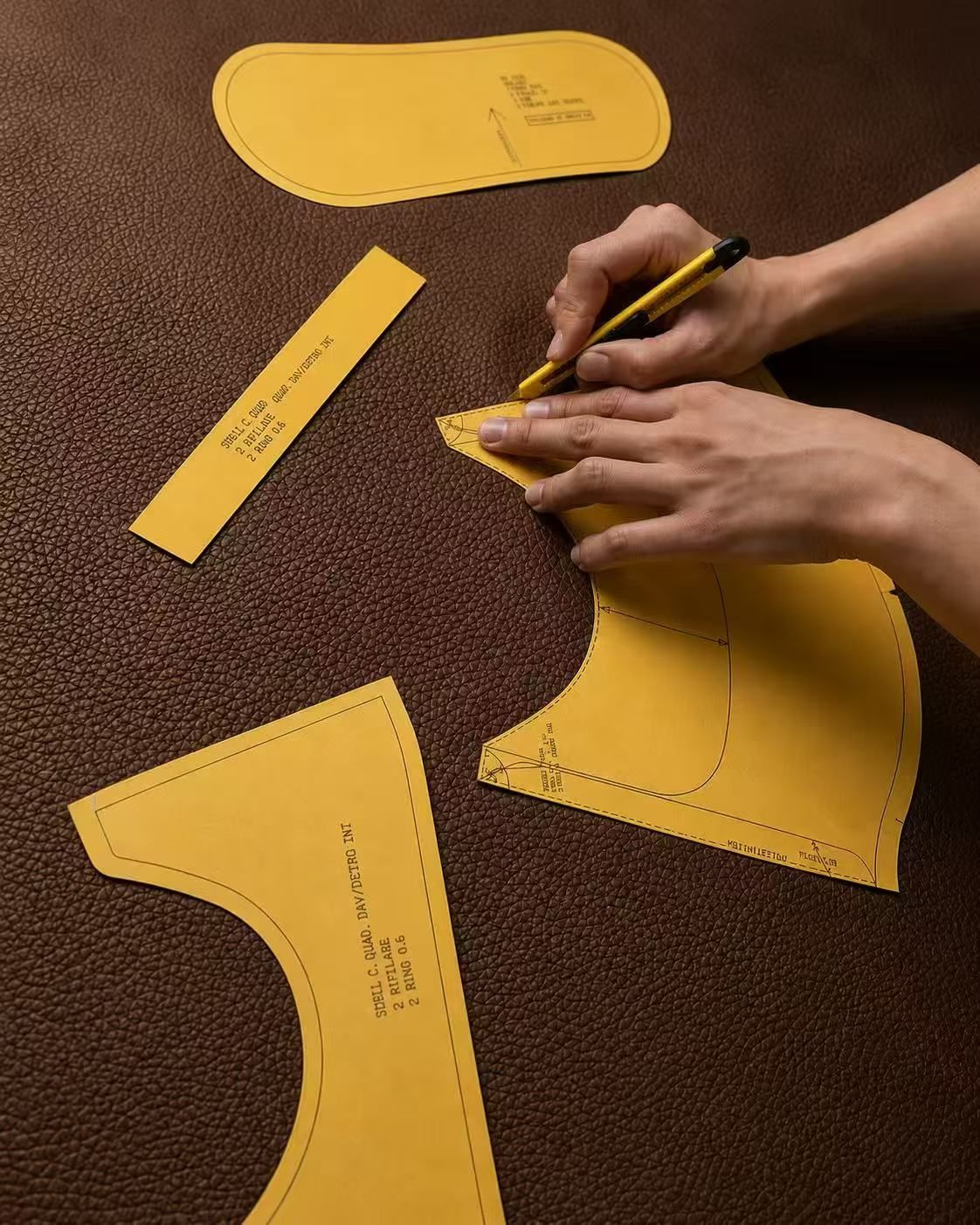
Pattern pieces are positioned with grain direction and natural marks in mind. Accurate cutting and preparation establish the geometry that every later operation must preserve.
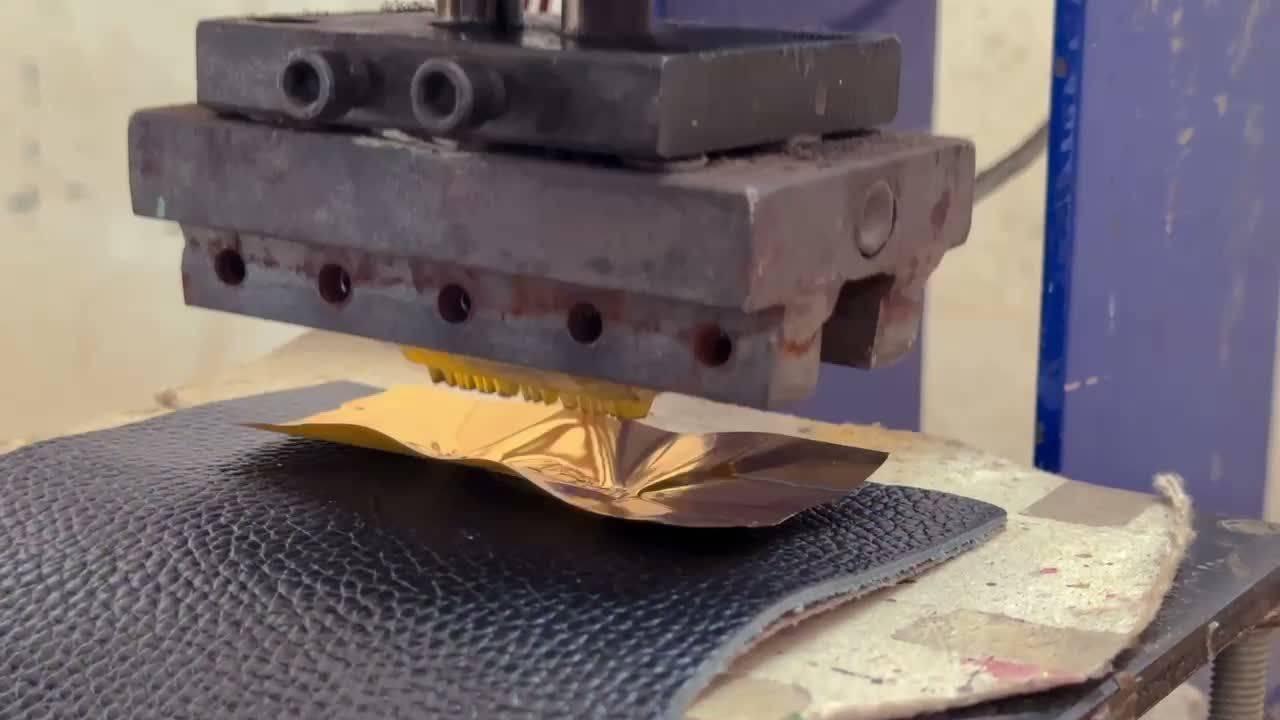
Stitch length and tension are calibrated for the leather and the load each seam must carry. A consistent stitch line is both visual discipline and structural control.
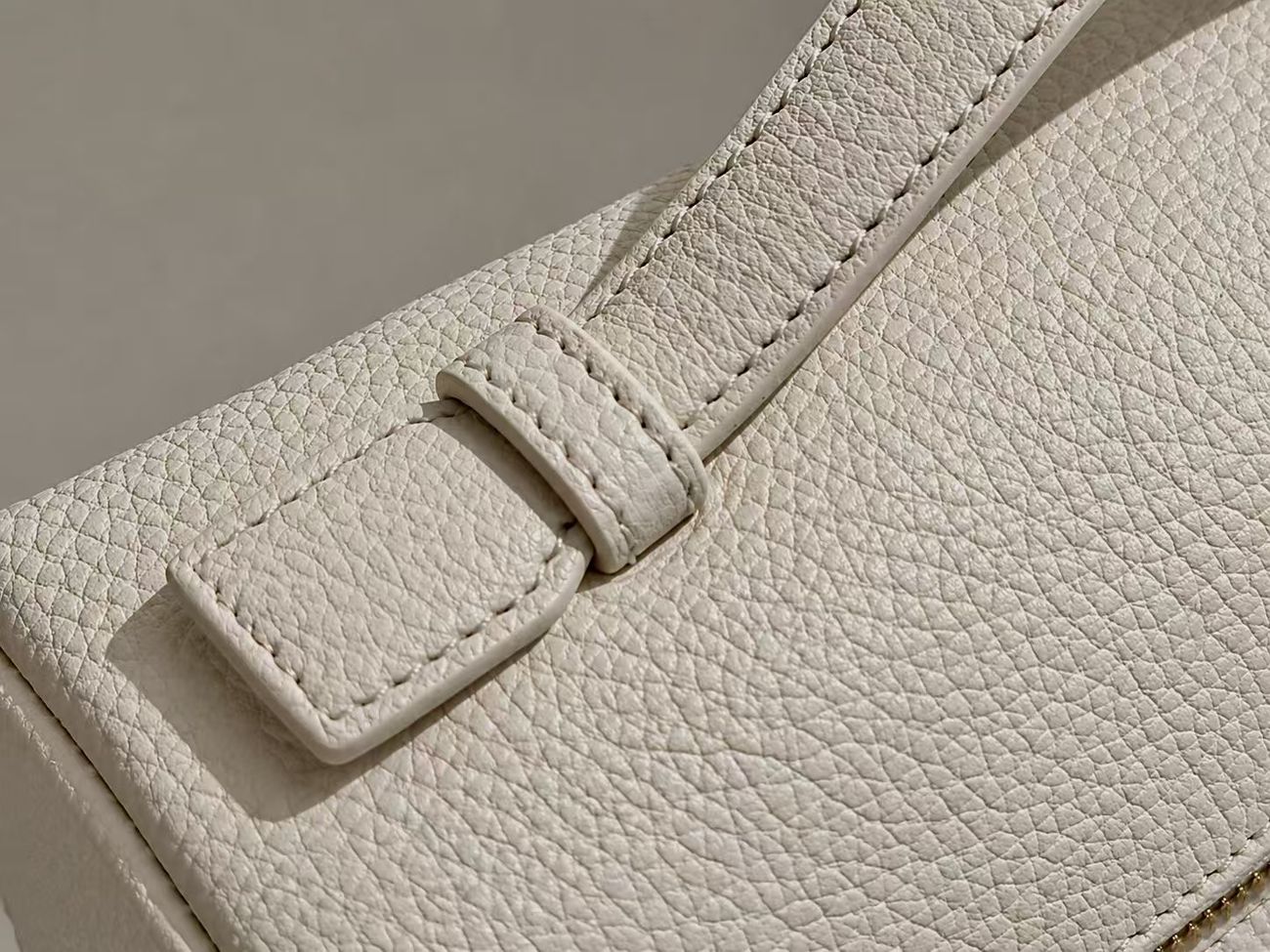
Edges are prepared, coated in layers, sanded and finished until the surface is even. The result protects the construction and gives the profile a clean, deliberate line.
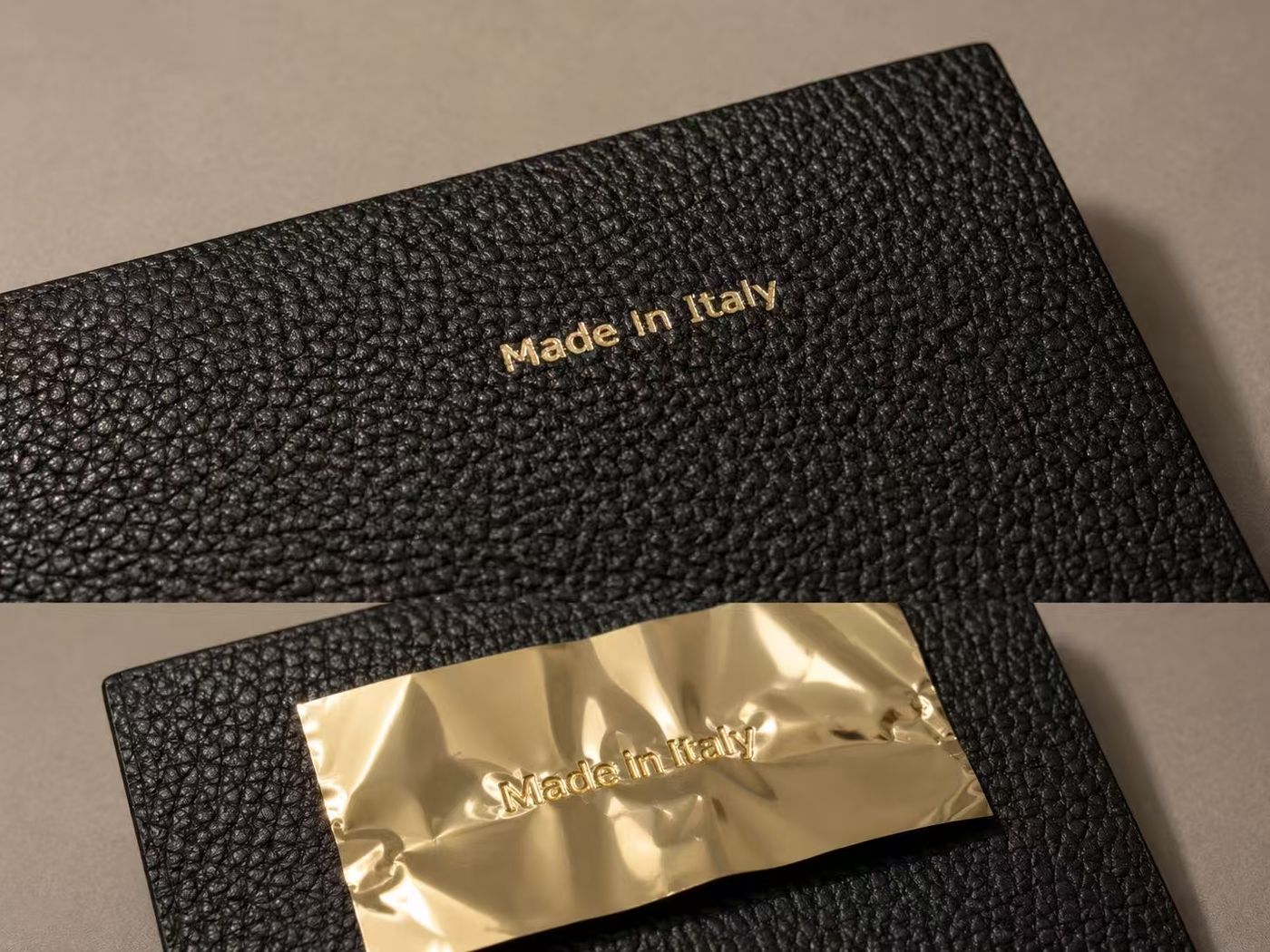
Finished pieces are checked against the approved sample for alignment, symmetry, hardware function, lining, surface quality and overall presentation before packing.
We write about leather and craft in our journal — material guides, process notes, and industry essays for buyers and designers.
Read the journal →Visit the showroom to compare samples, leathers and finishes with the people who will develop your product.